Dietary Fibers, Prebiotics, GI-microbiota, Epigenetics and health
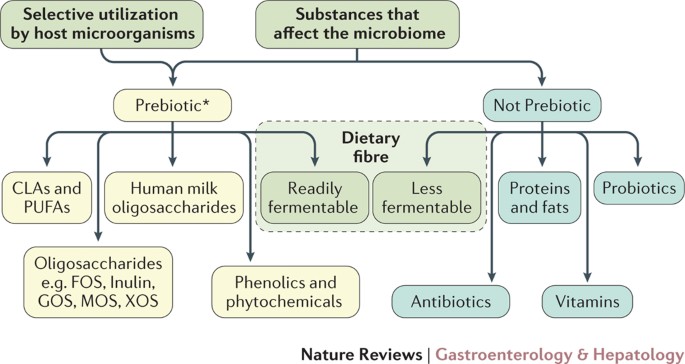
A healthy diet rich in dietary fibers and prebiotics is essential for nurturing the gut microbiota—the trillions of microbes residing primarily in the large intestine. This microbial ecosystem acts as a central hub for nutrient metabolism, immune development, and neurological signaling.
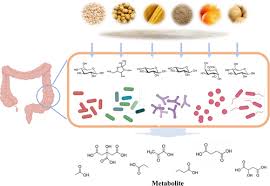
Prebiotics serve as selective fuel for beneficial microbes such as Bifidobacteria and Lactobacilli, promoting a balanced and diverse microbial community. This microbial fermentation of prebiotics yields key metabolites, especially short-chain fatty acids (SCFAs), which serve as powerful modulators of host physiology.
Microbiota and SCFA Production
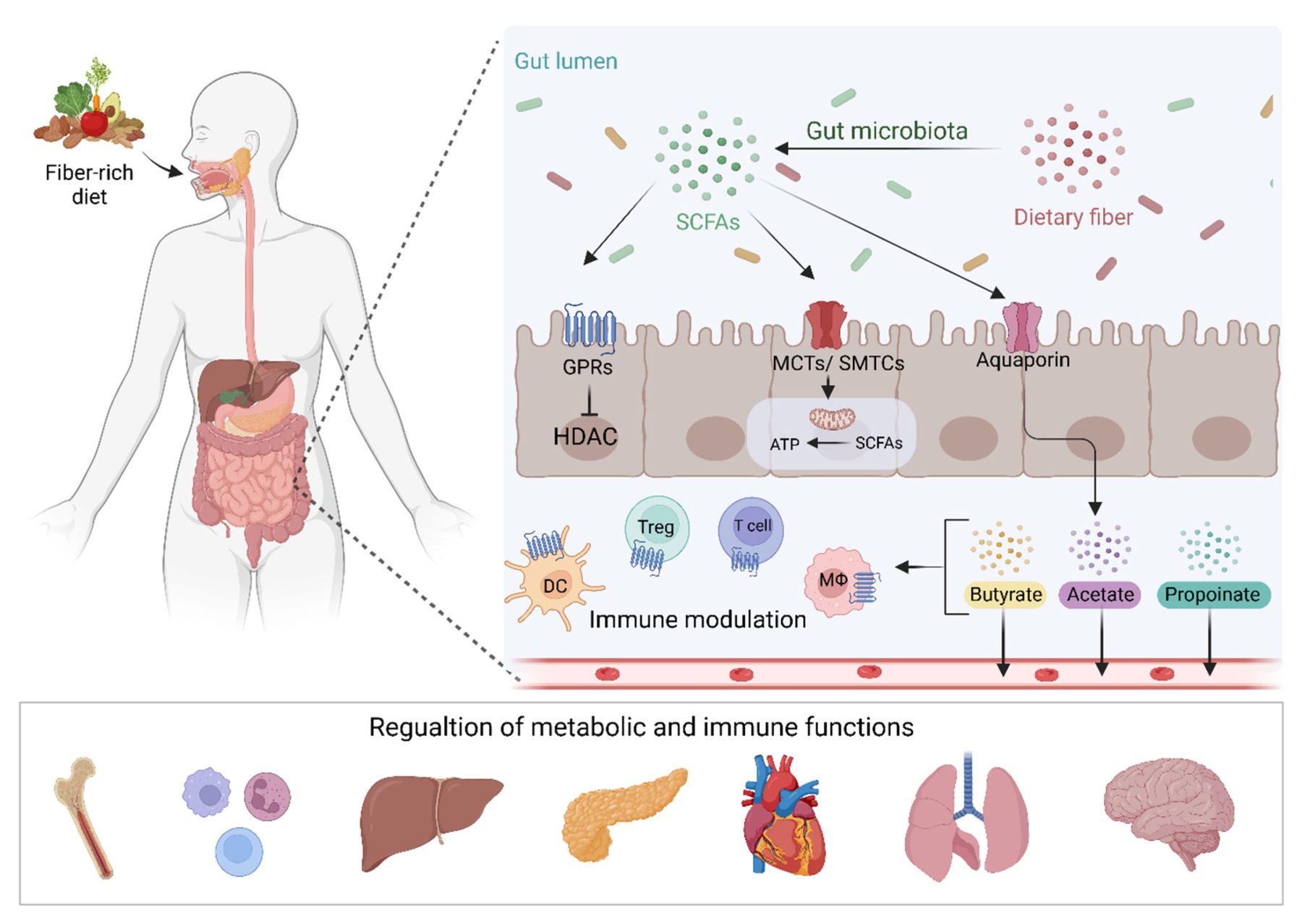
The gut microbiota plays a vital role in converting dietary fibers into SCFAs—primarily acetate, propionate, and butyrate. These SCFAs:
-
Provide energy to colon cells
-
Support gut barrier integrity
-
Influence immune cell differentiation
-
Act as neuromodulators via the gut-brain axis
Microbial diversity and richness are directly linked to the efficiency and balance of SCFA production. A disrupted microbiota (dysbiosis), often caused by low fiber diets, antibiotics, or chronic stress, reduces SCFA levels and contributes to inflammatory and metabolic disorders.
Receptors & Cellular Signaling
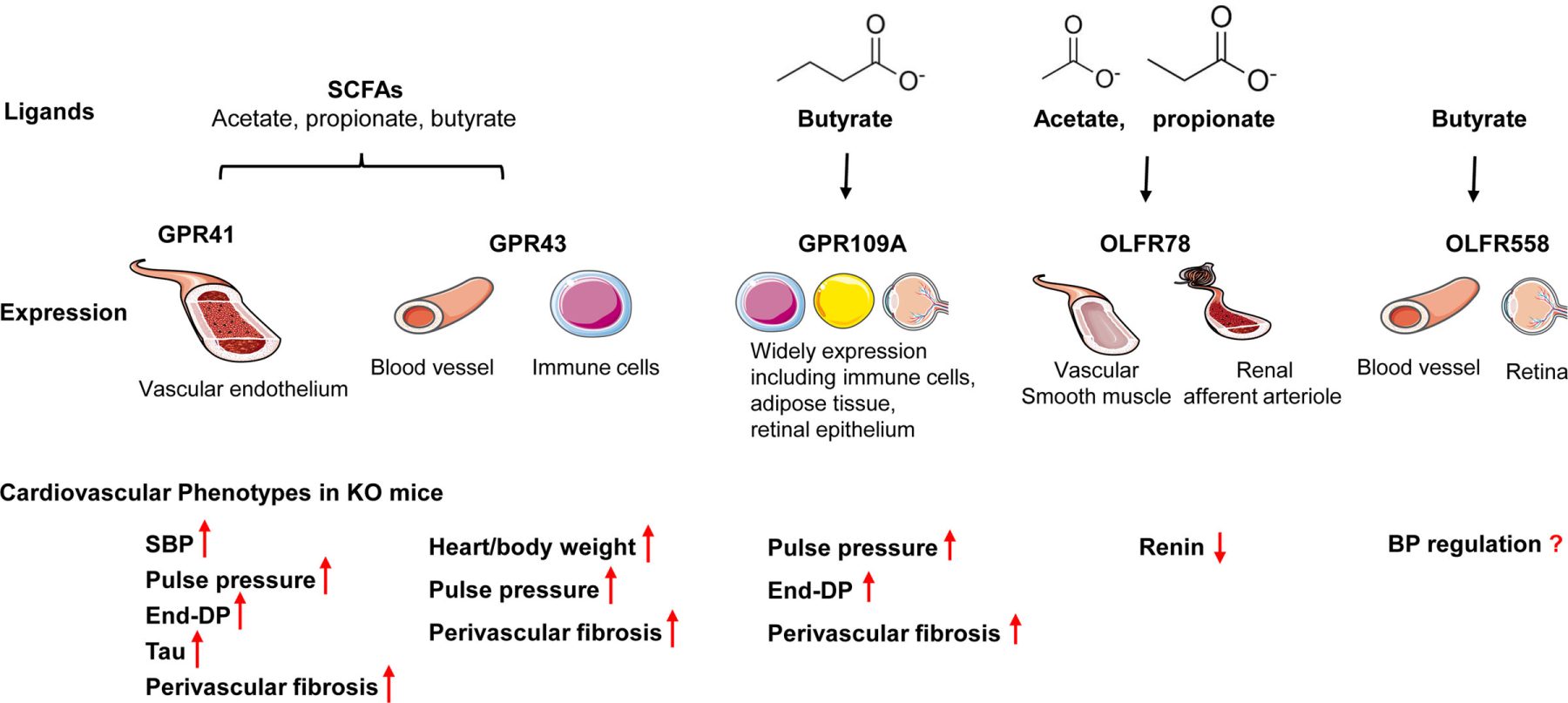
SCFAs exert their biological effects by binding to specific G-protein-coupled receptors (GPCRs) such as GPR41 (FFAR3), GPR43 (FFAR2), and GPR109A. These receptors are expressed throughout the body—in immune cells, adipose tissue, the nervous system, and the gut epithelium.
Through these receptors, SCFAs help regulate:
-
Immune tolerance and inflammatory resolution
-
Metabolic efficiency (glucose and lipid homeostasis)
-
Neural signaling and neuroinflammation
Epigenetic Modulation
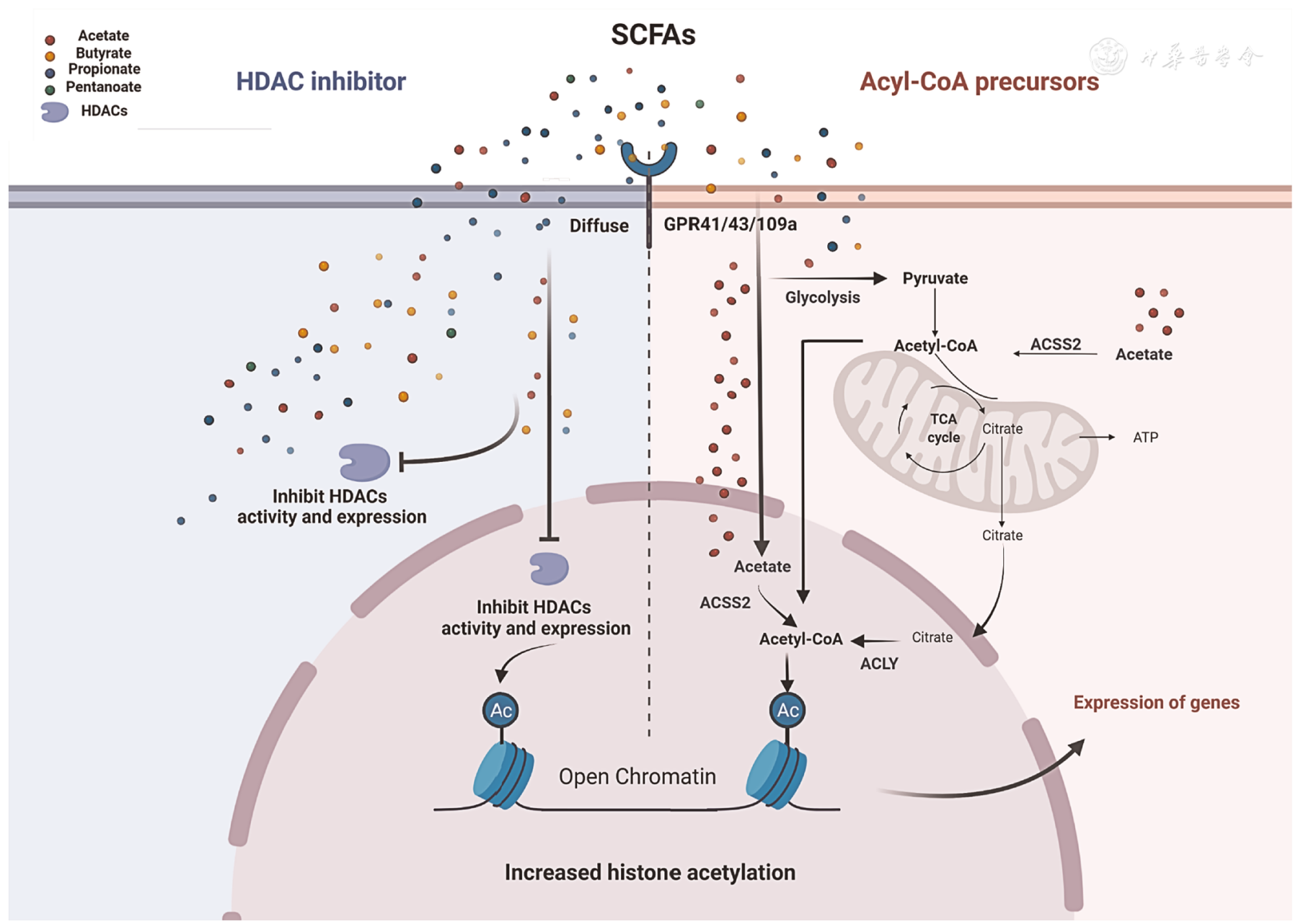
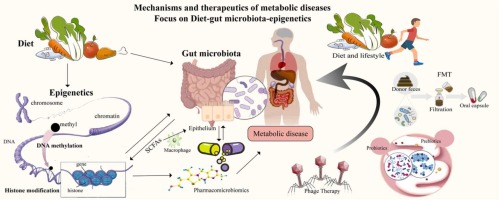
Butyrate and other SCFAs are also epigenetic regulators. As histone deacetylase (HDAC) inhibitors, they alter chromatin structure and modulate gene expression without altering DNA sequences. These changes can:
-
Promote anti-inflammatory gene expression
-
Enhance intestinal cell renewal
-
Influence neuronal development and plasticity
This positions SCFAs as critical links between diet, the microbiome, gene expression, and long-term health outcomes.
The Gut-Microbiota-Immune-Brain Axis
The gut microbiota is a cornerstone of the gut-immune-brain axis, the bidirectional network that integrates gastrointestinal, immune, and neurological function. Through microbial metabolites like SCFAs, the microbiota influences:
-
Immune education and homeostasis, beginning early in life
-
Microglial function and regulation of neuroinflammation
-
Neurotransmitter biosynthesis, including serotonin and GABA
-
Mood and behavior, with implications for anxiety, depression, and stress resilience
Healthy microbial composition and SCFA output support blood-brain barrier integrity, cognitive performance, and psychological well-being.
Health Benefits: Whole-Body Resilience
A fiber- and prebiotic-rich diet, supported by a diverse microbiota, confers a wide range of health benefits:
-
Gut Health: Enhances microbial balance, mucosal immunity, and barrier function
-
Immune Function: Trains immune cells and lowers chronic inflammation
-
Metabolic Support: Improves insulin sensitivity and energy metabolism
-
Neurological Health: Affects mood, cognition, and neurodevelopment via microbiota-derived signals
-
Cancer Protection: Inhibits tumor growth through anti-inflammatory and epigenetic mechanisms